Standards as a framework: how CCB manages quality and complexity
Last updated:
April 22, 2026

Compagnie des Ciments Belges (CCB), a leading industrial player within the international Cementir Group, specializes in the production of cement, concrete, and aggregates. With operations in Belgium and France, CCB operates in an environment with particularly stringent technical and legal requirements, where the use of standards is an integral part of daily operations.
At CCB, managing standards goes far beyond mere compliance with regulations. For Stephan Duray, who is responsible for management systems and certification, standards serve first and foremost as a common frame of reference, both internally and in collaboration with external stakeholders.
“For us, standards are not an end in themselves, but a point of reference. They allow us to communicate with customers, suppliers, and government agencies on a common ground, structure discussions, and clarify expectations.”
Standards are, first and foremost, essential for ensuring product quality.
“Standards are actually essential for product quality. By adhering to them, you can ensure that you meet customer expectations and comply with regulations.”
That approach doesn't stop at our own production. Suppliers are also systematically evaluated based on standards.
“We use standards not only for our own products, but also to verify the quality of what we purchase. We need to be sure that our suppliers adhere to the same standards as we do.”
This creates a chain in which quality is monitored at every level.
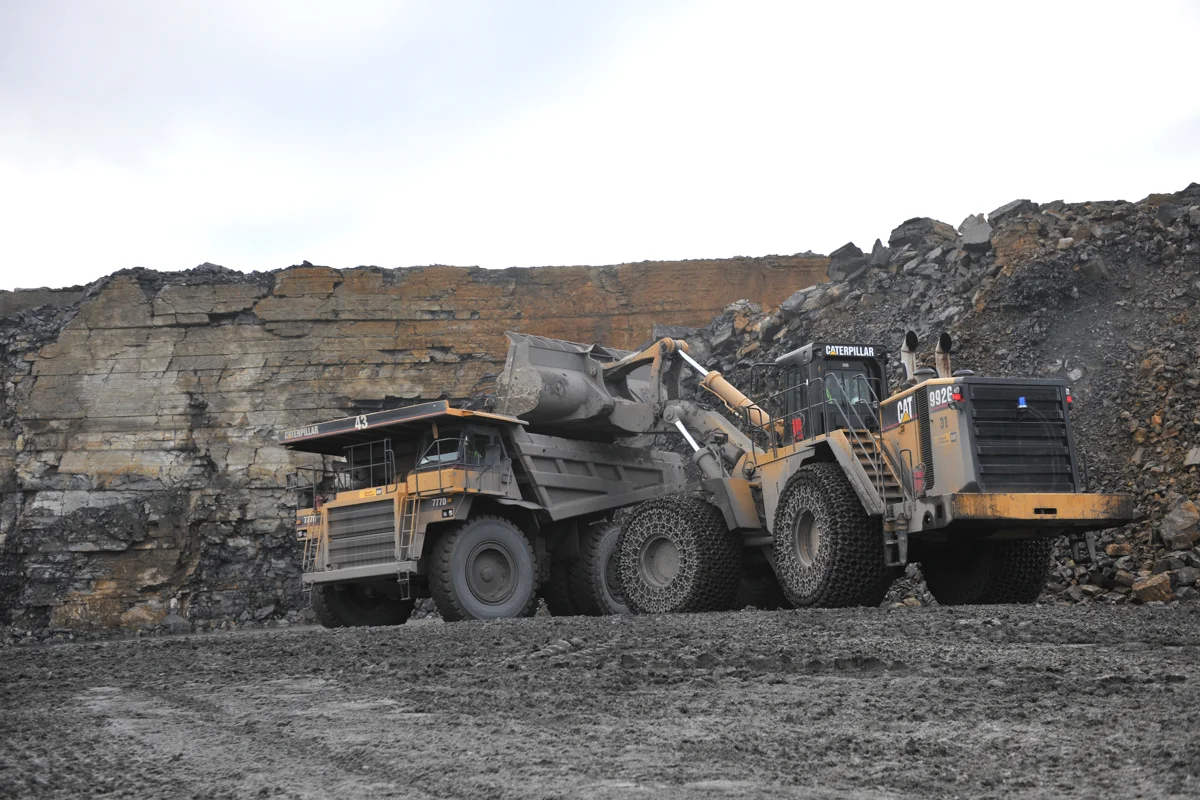
CCB operates in multiple countries and therefore faces a complex regulatory landscape.
“European regulations serve as the foundation, but each country has its own specific requirements and certifications. And often, those national systems are even stricter than European regulations.”
In practice, this means working with different standards at the same time—depending on the country, the application, and the audit requirements.
“For example, in France you need NF, while in Belgium Benor applies. When it comes to audits, you really have to use the right standard; otherwise, you’ll run into trouble.”

To keep that complexity manageable, CCB uses the NBN standards platform.
For Stephan Duray, two key aspects are central to this: clarity and timeliness.
“The most important thing is that everything is centralized and that you can be sure you’re working with the correct, most recent version. Those updates are absolutely crucial to our work.”
In addition, the platform provides access to international standards, which is essential for international operations.
“Through a single platform, we can also access and purchase international standards, such as French NF standards. This is essential for our operations and audits in other countries.”
That centralized approach translates directly into efficiency.
“If someone needs a standard, I can quickly find it and share it. And when it comes to international standards, we also get quick feedback and pricing, so we can act immediately.”
Changes are also tracked in a structured manner.
“We are notified whenever standards are updated. This allows us to immediately assess internally whether those updates are relevant and who needs to implement them.”
In addition to meeting regulatory requirements, CCB also actively uses standards as a tool for improvement.
“Many of these standards are voluntary, but compliance with them is strongly expected. They help us structure our processes and continuously improve them, even though that requires a lot of effort.”
This impact is particularly significant in terms of the environment and efficiency.
“It takes a lot of work and investment, and you have to accept that you’re not perfect and that there’s room for improvement. But ultimately, if you pollute less, you produce better. And if you produce better, you make money.”
For CCB, the story doesn’t end with simply applying standards. The Organisation a conscious decision to contribute to their development.
The reason is clear: standards help shape the way the sector evolves.
“The market is constantly changing—for example, toward more sustainable products. If you want to keep up with that, standards must evolve as well.”
New applications, such as recycling or alternative raw materials, require adapted frameworks.
“To make new materials or applications possible, you need standards that support them. Otherwise, you can’t put that evolution into practice.”
That is why CCB actively contributes its expertise through industry associations.
“We participate in standards development through industry associations, where every stakeholder can share their experiences and needs. In this way, we work together to develop standards that are practical for the entire sector.”
For CCB, the added value of NBN lies in its reliability and support.
“It’s a reliable platform where you can access standards and information about updates. That provides guidance in a complex environment.”
But above all: it makes working with standards practical.
“You know you’re working with the right references, and that makes it possible to make decisions and move forward.”
Would you also like to know how the NBN Standards Portal can save your organisation time and effort when managing your standards?


.webp)